The Dubai Advantage Everyone Notices Too Late
There is a very specific sentence you hear over and over again in Dubai.
“I wish I’d done this sooner.”
It usually comes from someone who already built something elsewhere. A founder who scaled in London. An operator who burned out in New York. An investor who spent years navigating friction-heavy systems before quietly relocating here.
The interesting thing is that the Dubai advantage is not hidden. It is just misunderstood. Or dismissed. Or underestimated until you experience it firsthand.
And by the time most people realize what it actually offers, they are already playing catch-up.
It Is Not About Tax, But Tax Is the Door
Let’s address the obvious one quickly.
Yes, Dubai has no personal income tax.Yes, corporate tax is low and clearly defined.Yes, that matters.
But people who think that is the whole story usually miss the real advantage entirely.
Tax is not why people stay. Tax is just the thing that gets them to look.
The real shift happens once you realize how much mental space you get back when the system is not quietly working against you.
The Real Advantage Is Bandwidth
Dubai gives you bandwidth.
Time bandwidth. Emotional bandwidth. Decision-making bandwidth.
Here, you are not constantly reacting to:
Regulatory uncertainty
Cultural hostility toward success
Infrastructure that slows you down
Bureaucracy disguised as protection
When those stressors disappear, something interesting happens. You start thinking longer-term. You stop optimizing for survival and start building for scale.
This is the part people only notice after they arrive.
Speed Changes the Trajectory
Dubai moves fast in ways that compound.
Company setup is quick. Banking is efficient once you know where to go. Hiring happens without endless friction. Meetings turn into decisions, not follow-ups.
That speed quietly reshapes ambition.
When execution is easier, people aim higher. When momentum builds quickly, confidence follows. Capital likes environments where movement feels natural.
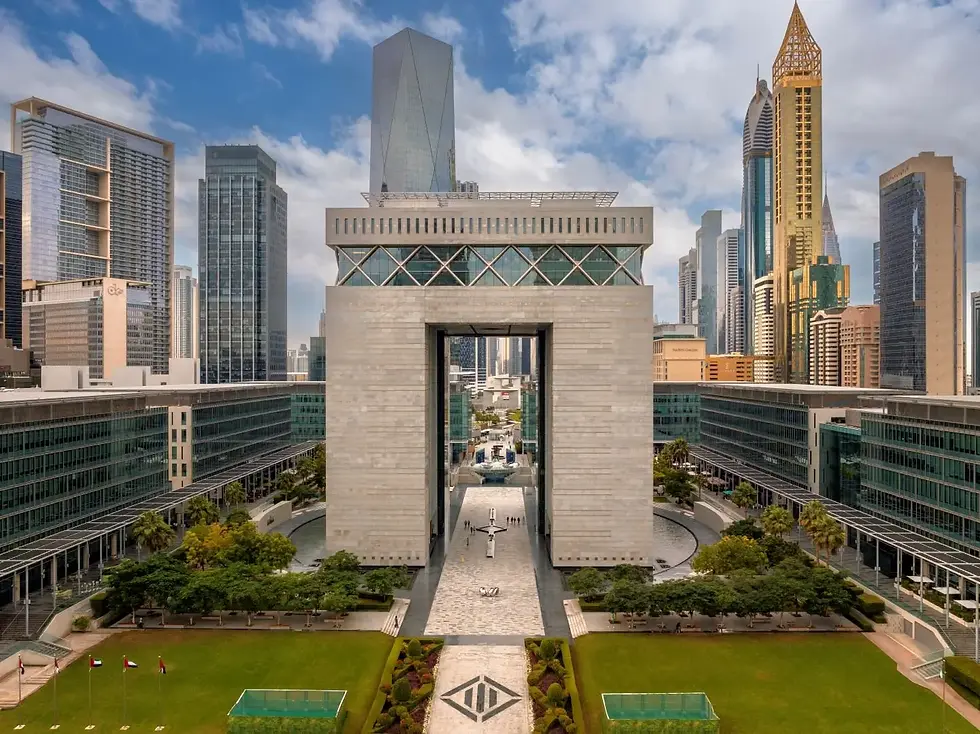
This is one reason ecosystems like Dubai International Financial Centre attract so much serious money. The pace matches how global capital actually operates.
The Lifestyle Is Not a Bonus, It Is the Multiplier
This is where most outside commentary gets it wrong.
Dubai’s lifestyle is not a distraction from work. It is the thing that makes better work possible.
Short commutes. Excellent gyms. Reliable services. Safety. Access to space and light. All of this reduces background noise.
Founders and investors here are not grinding harder. They are operating cleaner.
When your life runs smoothly, your business decisions do too.
People often notice this too late, after years of burnout elsewhere.
Proximity Changes Conversations
Dubai compresses distance in a way few cities do.
You are one or two introductions away from serious operators, family offices, regional decision makers, and global capital. People fly in constantly. Conversations happen in person. Deals form over lunches, not threads.
Once you experience that level of access, it is difficult to go back to ecosystems where everything feels fragmented and slow.
The City Rewards Competence, Not Noise
Dubai is not impressed by storytelling alone.
It rewards people who execute well, follow through, and respect the pace of the environment. Reputation matters. Word travels. Results compound quietly.
This creates a very specific kind of confidence. Less performative. More grounded.
For serious builders, that is the advantage.
Why People Notice It Too Late
Because Dubai does not shout about these things.
It does not package them neatly. It assumes a level of discernment. Many people write the city off based on outdated narratives or surface-level impressions.
Then they arrive.Then they stay longer than planned.Then they realize what changed.
The Quiet Truth
Dubai does not make you successful. It removes the friction that makes success harder elsewhere.
And once you experience that clarity, speed, and ease, the advantage becomes obvious.
The only regret people tend to have is timing.
They noticed it too late.


Comments