Street Art in Plain Sight
El Satwa does not present itself as a destination. It is not polished. It is not curated. It does not slow down for visitors. And that is exactly why the street art here works. Locals do not come to Satwa looking for murals. They notice them while doing something else. Buying groceries. Getting a haircut. Walking between errands. The art is embedded into daily life, not separated from it. That distinction matters.
In many cities, street art is cordoned off. Labeled. Explained. In Satwa, it simply exists. Murals appear on building sides, alley walls, and shop shutters without ceremony. Some are bold. Some are subtle. Some fade over time. No one rushes to preserve them. That impermanence is part of the point. Locals appreciate that the art does not interrupt life. It coexists with it.
You might see a striking mural next to a mechanics shop or a corner grocery. The neighborhood does not pause for it. Cars pass. Conversations continue. The art waits to be noticed rather than demanding attention. Satwa has always been a layered neighborhood. Migrant communities. Old villas. Small businesses. Temporary lives overlapping with long term residents. That mix creates creative tension.
Street art here reflects that reality. It is not always beautiful. It is sometimes political. Sometimes playful. Sometimes unfinished. Locals understand that this mirrors the area itself. Art in Satwa feels honest because the neighborhood is. Visitors often try to map Satwa street art like an attraction. That approach rarely works. Locals walk. They turn corners. They notice things when they are not trying to. The art reveals itself gradually.
This slow discovery is intentional. It keeps the work grounded. It prevents it from becoming a backdrop for performance. If you arrive with a checklist, you miss the atmosphere. There are no plaques. No QR codes. No captions telling you what to feel. Locals value this silence. It allows interpretation without instruction. You bring your own meaning or none at all.
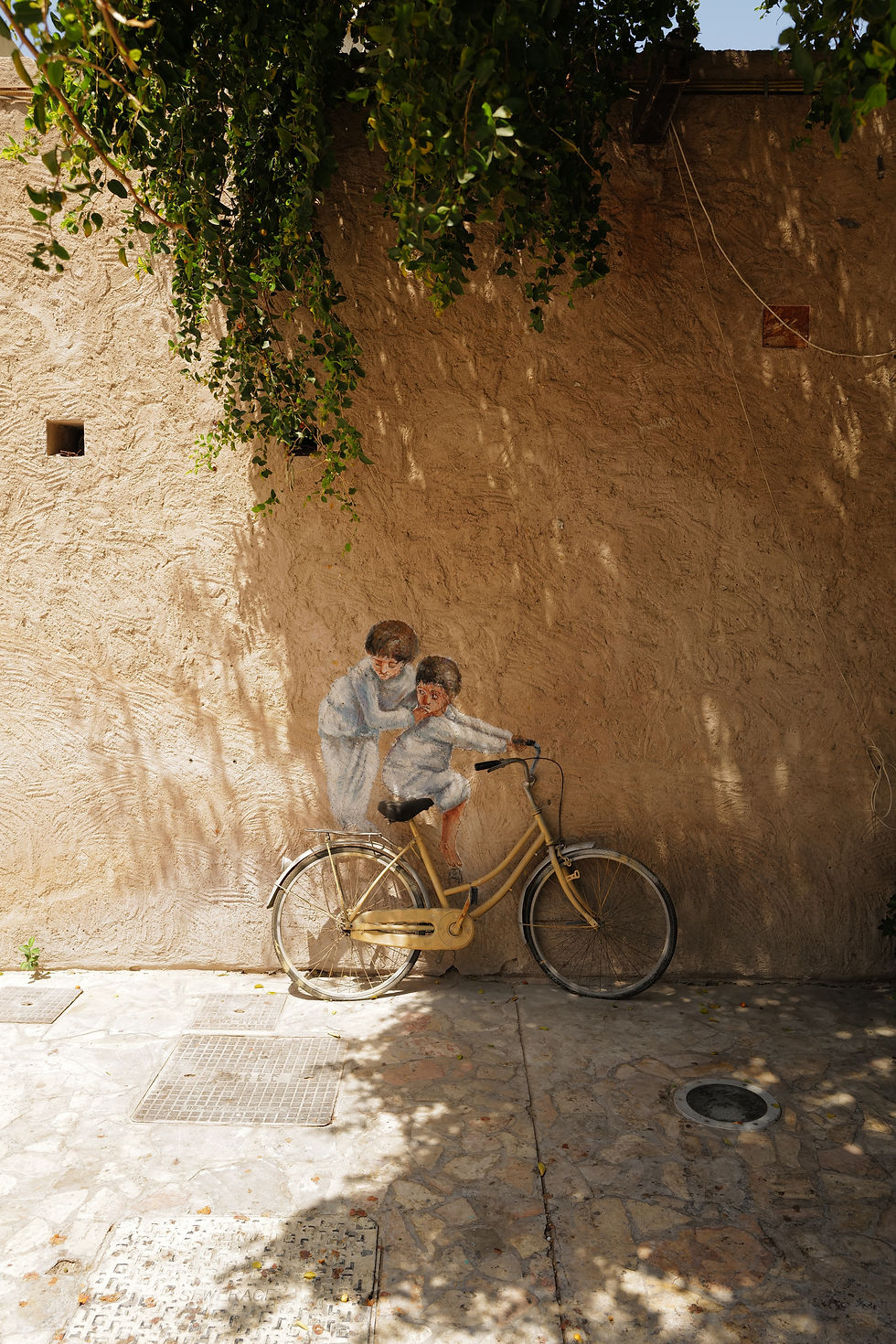
The art does not need your validation to exist. Satwa has changed over the years, but it has not been rebranded. Locals are cautious about attention here. Too much exposure invites over polishing. Over polishing removes texture. Texture is what gives Satwa its character. Street art in this area survives because it is not framed as culture. It is framed as environment.
Late afternoon into early evening works best. The light softens. Shops are active. The neighborhood feels awake without being rushed. Midday heat empties the streets. Night quiets everything down. Locals choose times when the area feels lived in, not dormant. One of the most important things to notice in Satwa is how people interact with the art.
They do not stop. They do not pose. They do not point it out. They pass by as if it belongs. That acceptance is rare. It means the art has integrated rather than intruded. Dubai is often accused of lacking grassroots creativity. Satwa quietly disproves that. Creativity exists here. It just does not announce itself. It lives in neighborhoods that resist simplification. In places where people are too busy living to curate their image.
Street art in El Satwa is not meant to be consumed. It is meant to be encountered. Locals respect it because it asks nothing from them. No attention. No praise. No permanence. It exists because the neighborhood allows it to.


Comments