Quick Bites and Street Food: How Dubai Eats Between Everything Else
Dubai’s real food culture does not live in reservations or tasting menus. It lives between meetings, after work, late at night, and in moments when eating is necessary but still meaningful. Quick bites and street food are where locals spend most of their time. Not because it is cheap, but because it fits the rhythm of daily life.
These places survive because they are dependable. Nothing more. Nothing less.

Why street food matters more than restaurants
Dubai is a city built on movement. People commute long distances, work irregular hours, and socialize late. Meals need to adapt. Street food does exactly that. It does not interrupt the day. It supports it.
Locals do not label these spots as street food. They are simply places you eat when you need something solid, familiar, and fast.
Ravi Restaurant and the meaning of loyalty
Ravi Restaurant in Satwa is one of the clearest examples of how loyalty works in Dubai. It is not polished. It does not update its interiors. The menu has barely changed.
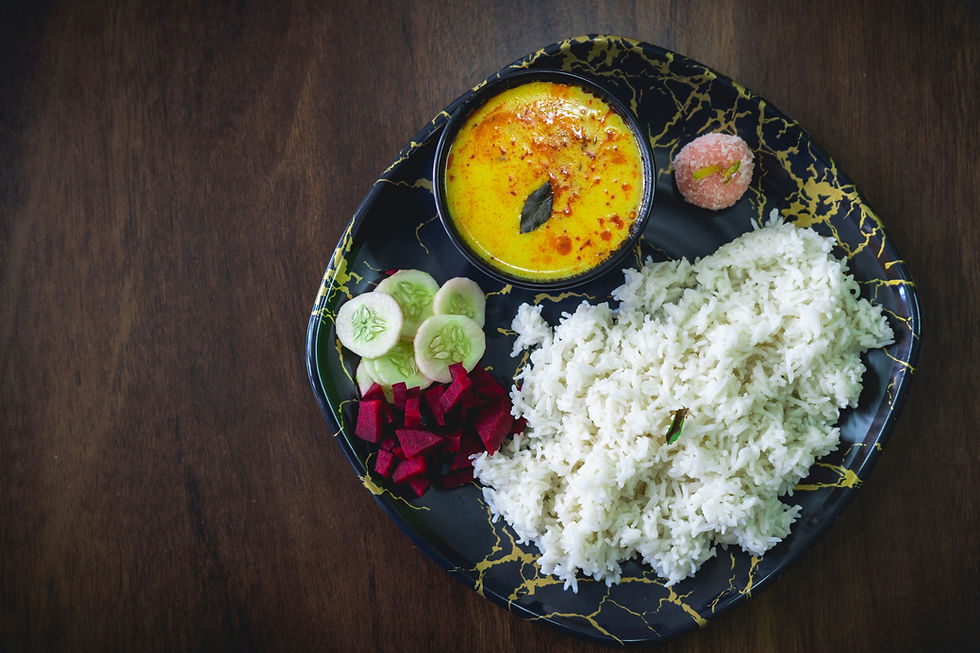
Locals keep going because it delivers the same experience every time. Pakistani curries, daal, mutton, and freshly baked bread arrive quickly and taste exactly as expected. The food is filling and honest. No one goes there to be surprised.
What matters culturally is that Ravi feeds everyone. Laborers, office workers, families, and longtime residents all sit at the same tables. That social mixing is rare elsewhere in the city.
Al Ustad Special Kebab and food before the skyline
Al Ustad Special Kebab existed before Dubai’s modern boom, and locals treat it accordingly. This Iranian restaurant is known for its kebabs, saffron rice, and grilled meats, but its real value is consistency.
The walls are filled with old photographs of Dubai before development. Eating here feels like stepping into a time when food was about nourishment rather than branding.
Locals respect Al Ustad because it did not adapt to trends. It simply stayed good.
Bu Qtair and the power of simplicity
Bu Qtair is famous for one reason. It does very little and does it extremely well. Fresh fish. Prawns. Simple spices. Fast cooking.
There is no menu performance. You point. They cook. You eat.
Locals go early, expect to wait, and leave satisfied. The location, once hidden and now widely known, still functions the same way. No seating theatrics. No distractions. Just food.
This approach aligns with how coastal communities have always eaten. Fresh, direct, and without excess.
Shawarma as daily infrastructure
Shawarma is not a treat in Dubai. It is infrastructure. Locals rely on it the way other cities rely on sandwiches.
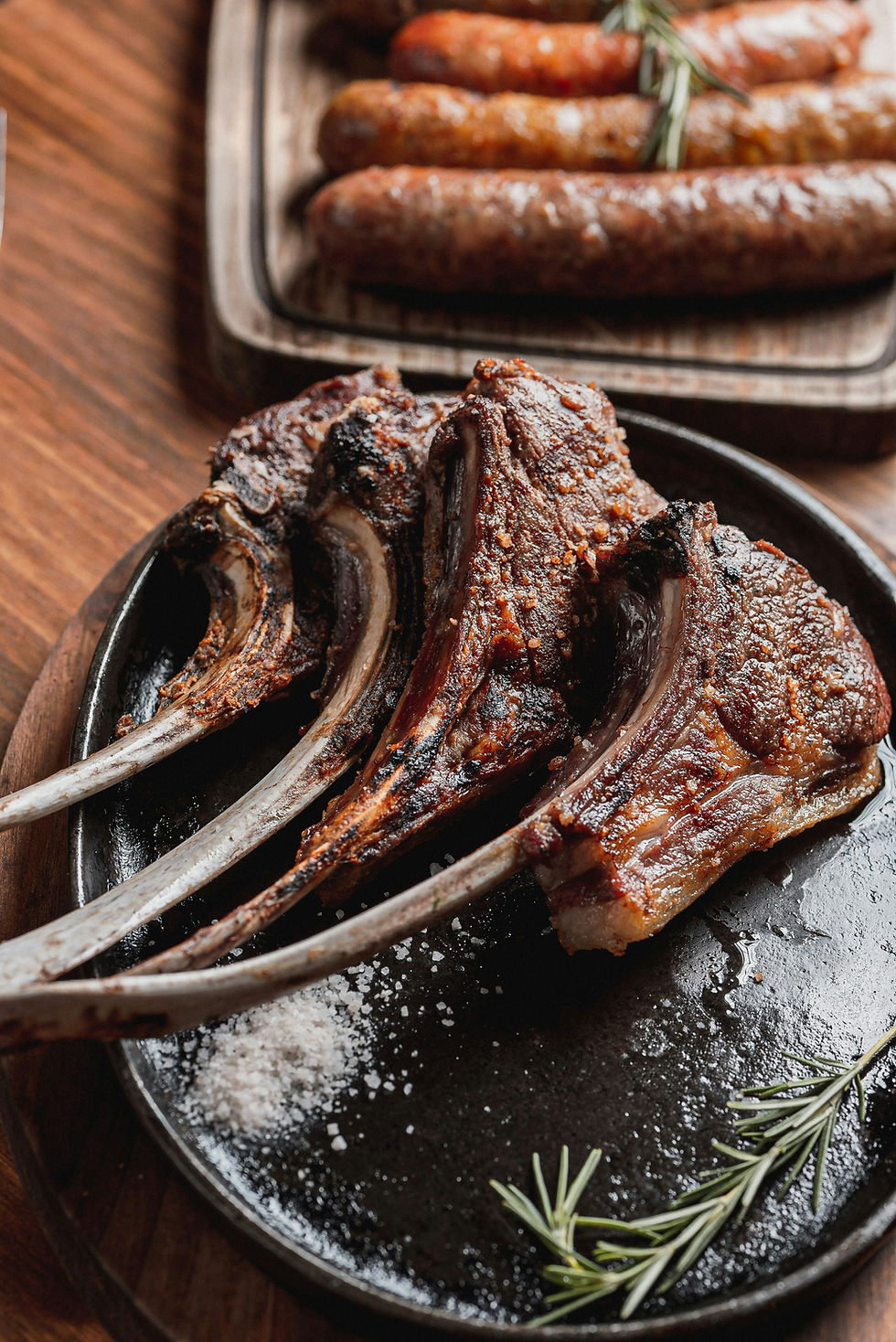
Places like Laffah and Mama Fouz succeed because they follow the rule locals care about most. Focus on one thing and do it correctly. Meat cooked properly. Bread warm. Sauce balanced.
If a shawarma place starts adding unnecessary options, locals stop trusting it. Simplicity signals confidence.
Hammed Kalan and the culture of snacks
Hammed Kalan represents a category of food many visitors overlook. Snack institutions. Places that exist purely to serve something small but essential.
Samosa sandwiches, often called samosa pow, paired with badam chai, are not meals. They are punctuation. Locals stop here in between obligations. Before dinner. After work. During errands.
This kind of eating reflects how people actually live in Dubai. Constant motion. Short pauses. Reliable stops.
Bakeries, cafeterias, and unspoken rules
Arabic bakeries and cafeterias form the backbone of quick eating. Chicken King, Al Reef Lebanese Bakery, and similar places operate on speed and repetition.
Locals know what time to go. They know what sells out first. They do not ask questions.
These places are not reviewed or ranked. They are used.
What quick food says about Dubai culture
Dubai’s street food culture reveals something important. The city values efficiency without sacrificing comfort. Meals do not need to be long to be meaningful. They need to be dependable.
Locals do not romanticize these places. They rely on them.
How to eat like a local
Order quickly. Do not linger during peak hours. Eat with your hands if others are. Do not customize excessively. Trust the process.
Quick bites and street food are not secondary to Dubai’s food culture. They are the foundation. They feed the city quietly, every day, without asking for attention.
For us locals, these meals are not memories. They are habits.
Comments