Mohalla: Where Indian Street Food Finds Its Most Refined Expression
At first glance, the idea of upmarket Indian street food sounds like a contradiction. Street food is typically spontaneous, messy, loud, and immediate — the kind of cuisine meant to be eaten standing up, surrounded by noise and movement. Yet this D3 gem manages to bridge that apparent divide with remarkable ease, transforming familiar roadside flavours into something elevated while preserving the soul that makes them beloved in the first place. It does not attempt to replace street food culture; instead, it interprets it through a more polished lens.
The space itself sets the tone before a single dish arrives. Warm lighting, thoughtful design, and an intimate layout signal that this will not be a standard curry house experience. There is an understated elegance to the room, one that feels inviting rather than imposing. It prepares diners for a meal built on detail and craft rather than excess. The atmosphere suggests care — not just in how the restaurant looks, but in how it approaches flavour, texture, and presentation. Here, the kitchen’s philosophy is rooted in reinterpretation. Classic dishes are not simply replicated; they are broken down, refined, and rebuilt with technical precision and high-quality ingredients. Many plates arrive in smaller portions designed for sharing, encouraging diners to taste widely and experience the breadth of the menu rather than committing to a single main. This format mirrors the grazing nature of traditional Indian street eating, where variety is part of the joy.
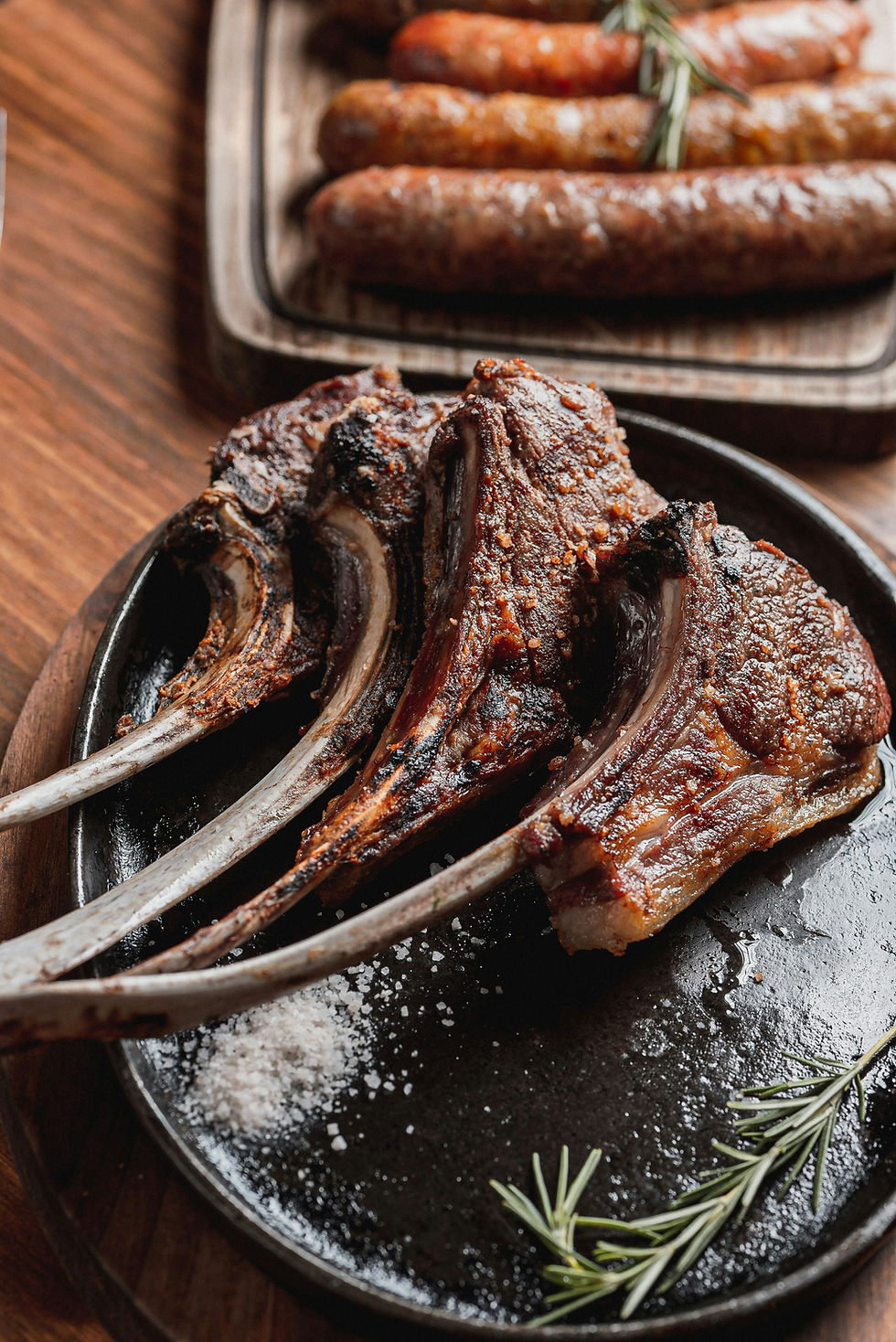
The menu itself is expansive — almost intimidating at first glance — but those willing to explore are rewarded. Chaats, often associated with bold spice and tangy intensity, arrive here reimagined with lighter textures and more deliberate seasoning. Crisp elements remain crisp, chutneys taste vibrant rather than sharp, and spice is layered rather than aggressive. Each bite feels calibrated, as though every component has been carefully tuned to work in harmony. Grilled selections further demonstrate the kitchen’s confidence. Marinades are nuanced and balanced, enhancing rather than overwhelming the ingredients they coat. Meats emerge tender and smoky, vegetables retain their natural sweetness, and sauces are applied with restraint. There is a clear understanding that technique should highlight flavour, not hide it. The result is food that feels expressive without ever becoming heavy-handed.

One of the defining strengths of the kitchen is its commitment to high-quality, preservative-free ingredients. This attention shows up in subtle but important ways. Spices taste fresh and purposeful. Sauces have depth without weight. Even richer dishes maintain a sense of lightness, allowing diners to sample multiple plates without fatigue. That balance is difficult to achieve, particularly in a cuisine known for its boldness, and it speaks to a disciplined approach behind the scenes.
Dining here is best experienced with company. The structure of the menu encourages conversation and sharing, echoing the communal spirit that defines Indian street food culture. Plates move across the table, comparisons are made, favourites are debated, and the meal becomes interactive rather than transactional. Despite the refinement, nothing feels disconnected from tradition. Familiar flavours remain recognisable — simply sharpened, clarified, and presented with greater precision.
Service reinforces this sense of intention. Staff guide diners through the menu with genuine enthusiasm, offering thoughtful recommendations tailored to taste rather than price point. Their confidence feels rooted in pride rather than performance, and that authenticity enhances the overall experience.
In a city saturated with Indian restaurants competing through scale or spectacle, this one distinguishes itself through nuance. It proves that street food can be sophisticated without losing its vitality, and that tradition can evolve without being diluted. Mohalla does not try to reinvent Indian cuisine. Instead, it refines it — and in doing so, shows just how elegant familiar flavours can become when handled with patience, skill, and respect.
Comments