International Flavors in Dubai: How the City Really Eats the World
Dubai is often described as a melting pot, but that phrase does not fully capture how food works here. In many cities, international cuisine is adapted to local taste or packaged for novelty. In Dubai, it is preserved. People cook the way they did at home because the people eating the food are often from that home.
For locals and long term residents, international food is not an experience. It is routine.

Why authenticity survives in Dubai
Dubai’s population structure is unique. Large communities from South Asia, East Asia, the Middle East, and Africa live and work here long term. Restaurants are not catering to outsiders. They are feeding their own communities.
This changes everything. Recipes stay intact. Portions remain familiar. Spice levels are not softened. Menus do not explain themselves.
Locals learn quickly that the best international food is found where the room is filled with people who speak the same language as the kitchen.
Satwa and the geography of real eating
Neighborhoods matter in Dubai food culture. Satwa in particular functions as an unofficial international dining district. Not because it was planned that way, but because communities settled there and food followed.
Manna Land is a good example. This Korean restaurant does not advertise heavily and does not adjust its menu. Locals who know Korean food recognize it immediately. Banchan arrives without commentary. Dishes are served as they are meant to be eaten.
The restaurant survives because it feeds familiarity, not curiosity.
Pakistani food beyond curry
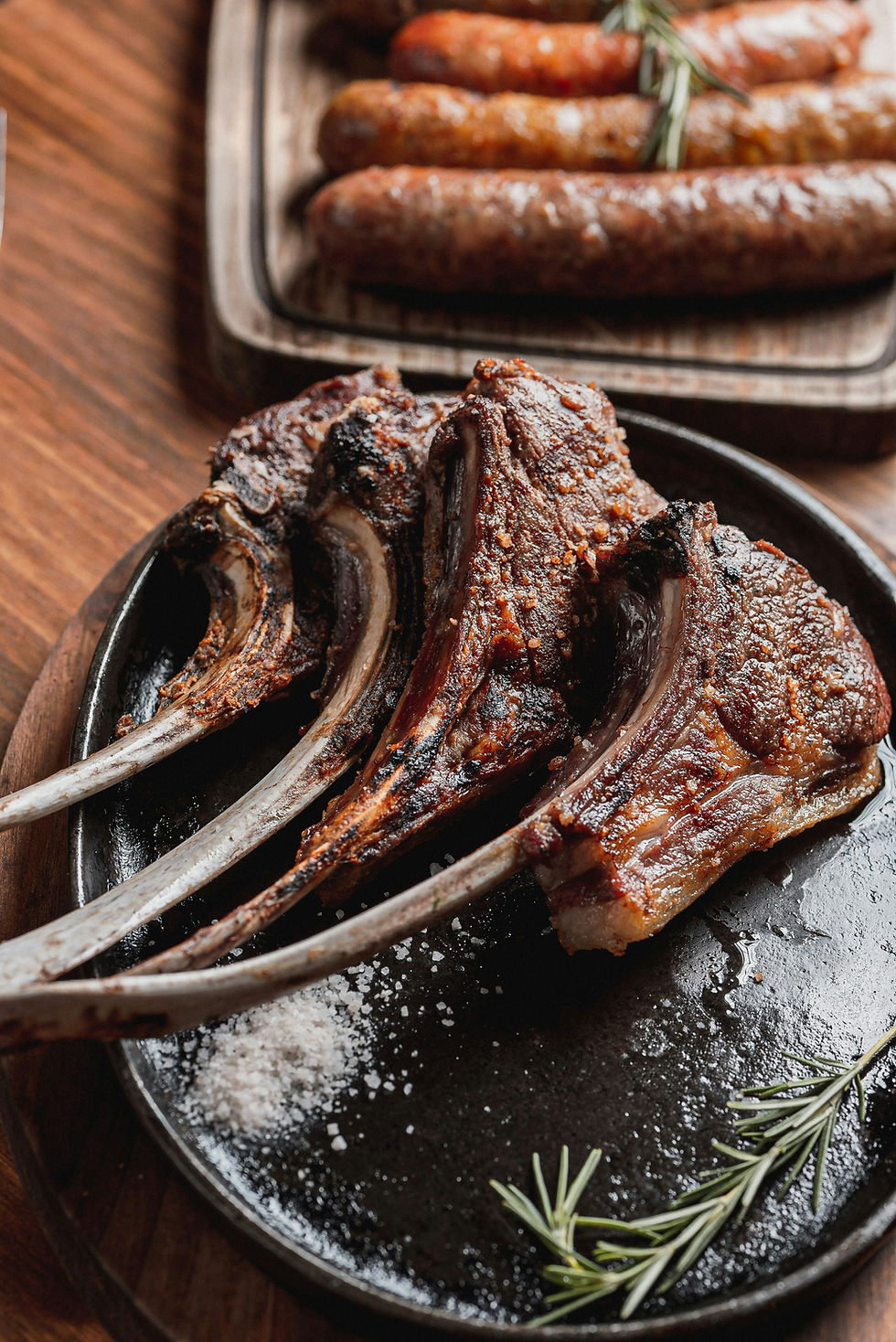
Pakistani food in Dubai goes far beyond the dishes most visitors recognize. Restaurants like Wakha focus on Shinwari cuisine, which emphasizes charcoal grilled lamb, minimal spice, and natural flavor.
Locals respect Wakha because it does not perform. Meat arrives hot, direct, and unembellished. This style of eating is social, heavy, and meant to be shared.
For many residents, this food feels closer to home than anything dressed up for presentation.
Everyday South Asian staples
Places like Moshi, Betawi, and Karachi Darbar serve food that fits daily schedules. Paratha rolls eaten standing. Biryani ordered for sharing. Curries eaten quickly before moving on.
Locals do not debate which place is best. They choose based on proximity, time, and mood. Reliability matters more than reputation.
These restaurants exist to feed people who already understand the food. Explanation is unnecessary.
Thai food without interpretation
Cafe Isan in JLT represents a specific kind of success. Thai street food served as it is meant to be. Sharp flavors. Strong heat. Simple plating.
Locals appreciate that Cafe Isan does not dilute its identity. You order carefully or you learn quickly. That honesty builds trust.
The dining room often reflects this. Thai residents. Regular customers. Quiet confidence.
Why locals trust smaller rooms
In Dubai, size is often inversely related to authenticity. Smaller restaurants with focused menus tend to last longer because they know exactly who they serve.
Locals develop instincts for this. A short menu is a good sign. A crowded room at off peak hours is better.
International food succeeds here because it does not try to be international. It stays specific.
Food as emotional continuity
For many residents, eating food from home is not nostalgia. It is stability. Dubai moves fast and food becomes an anchor. Something that tastes the same every time regardless of what changes outside.
Locals understand this emotional role and respect it. That is why they avoid turning these restaurants into trends.
How to approach international food like a local
Order what the staff recommends without hesitation. Accept heat levels. Share dishes. Eat quickly when necessary and slowly when possible. Do not ask for fusion.
Dubai does not collect cuisines. It hosts them. The city eats globally because the world lives here, cooks here, and refuses to compromise its flavors. For locals, international food is not variety. It is belonging.
Comments