Gomantak: Indian Food That Needs No Explanation
Gomantak does not explain itself. It assumes you already know what it is, or that you are willing to learn by eating.
In a city where Indian food is often adjusted to be more accessible, more polished, or more generic, Gomantak stays firmly regional and unapologetic.
This is Goan food, cooked the way it is meant to be cooked, served to people who are not looking for shortcuts.
Located in Karama, Gomantak has become one of those places locals speak about with a certain seriousness. Not excitement. Not hype. Respect. The kind of respect reserved for places that do not bend under pressure.
The dining room is simple and functional.
Tables are close. Conversations overlap.
The room fills quickly and empties steadily.
This is not a place designed for lingering. It is designed for eating properly.
What makes Gomantak special is its refusal to dilute flavor. The food is bold, sour, spicy, and deeply aromatic. Coconut, vinegar, chilies, and seafood dominate the menu.

Nothing is toned down. Nothing is softened to protect unfamiliar palates.
Locals who come here usually know Goan food, or they are with someone who does.
Orders are confident. Dishes arrive without explanation. You are expected to meet the
food where it is.
That expectation is part of the appeal.
Gomantak reflects a very specific side of Dubai’s food culture.
The side that exists because the city is built by migrants who miss home food and are unwilling to
compromise on it.
These restaurants are not trying to win awards or attract influencers.
They are trying to survive by being correct.
And correctness matters.
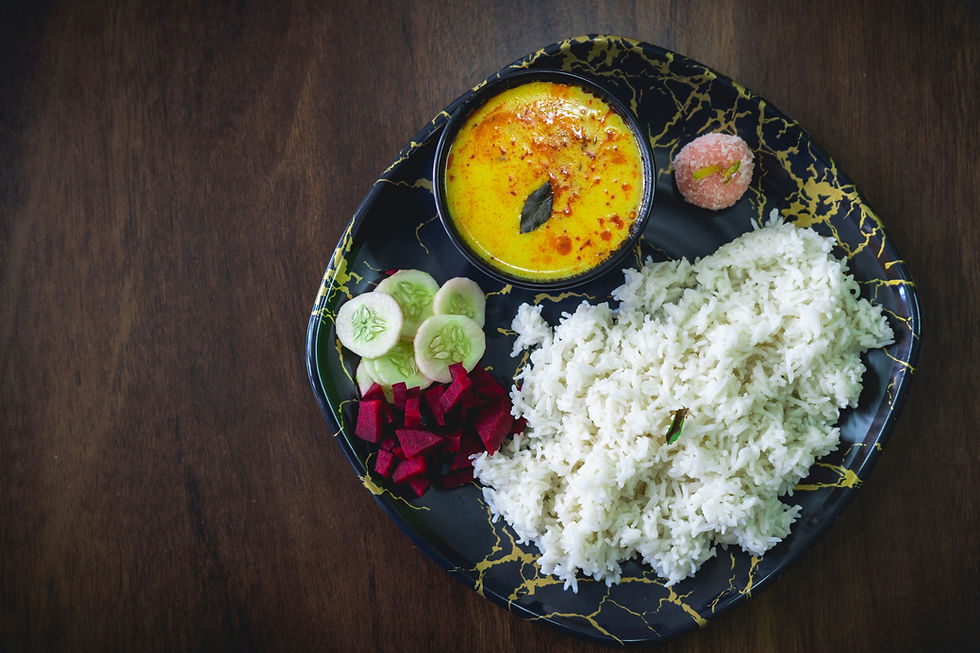
The seafood here is treated with respect. Fish curries are sharp and layered. Prawns are cooked until just done.
Rice is plain and purposeful. Nothing distracts from the main flavors.
This kind of cooking requires confidence. It also requires a customer base that understands it. Gomantak has both.
Many long term residents associate this place with phases of their life in Dubai.
First jobs. Shared apartments. Regular payday dinners. It becomes a routine rather than a destination. You go when you want something that feels familiar and grounding.
There is also an honesty to Gomantak that locals value. The menu does not change to chase trends. The kitchen does not apologize for heat or acidity. If something is too intense for you, the assumption is not that the food is wrong, but that the place might not be for you.
That clarity is refreshing.
In a city where so many restaurants are designed to appeal broadly, Gomantak survives by appealing deeply. It serves a specific community extremely well and trusts that others will either adapt or move on.
You do not bring casual visitors here lightly.
You bring people who are ready to eat without commentary.
People who understand that good food does not need explanation.
Gomantak is not hidden because it is obscure. It is hidden because it does not seek
approval. It exists confidently within its lane and lets time do the rest.
In Dubai, that kind of endurance is rare. And when you find it, you hold onto it.
Comments