Dubai and the Art of Movement
Dubai frustrates people who try to move through it like other cities. The distances feel deceptive. The roads look simple until they are not. What looks close on a map can feel far in real life, and what looks far can sometimes be easier than expected.
Locals learn early that moving through Dubai is less about geography and more about flow. Dubai is spread out, but not evenly. Some areas are dense and layered. Others are wide and empty. The mistake visitors make is assuming that proximity means convenience.
Two places ten minutes apart on a map can feel completely different depending on time, direction, and traffic patterns. Locals factor this in instinctively. They plan their day in clusters rather than lines. If something is on the way, it matters. If it requires crossing major arteries, it becomes a decision.
In Dubai, cars are less about status and more about control. They give you air conditioning, personal space, timing flexibility, and mental calm. This is why even people who could use public transport often choose not to. It is not avoidance. It is
optimization.
Visitors sometimes feel guilty relying on cars. Locals do not. The city was built with this in mind. The metro works well in very specific situations. Straight lines. Clear destinations. Off peak hours. Locals use it selectively. They know when it will be faster than driving and when it will not. They do not default to it for exploration. If you are trying to experience Dubai broadly, the metro can feel limiting. If you are going somewhere specific along its path, it can be efficient.
The difference is intention. Dubai is not anti walking. It is selective about where walking works. Neighborhoods like JBR, City Walk, Al Fahidi, and parts of Downtown are designed for foot traffic. Others are not meant to be navigated that way at all.
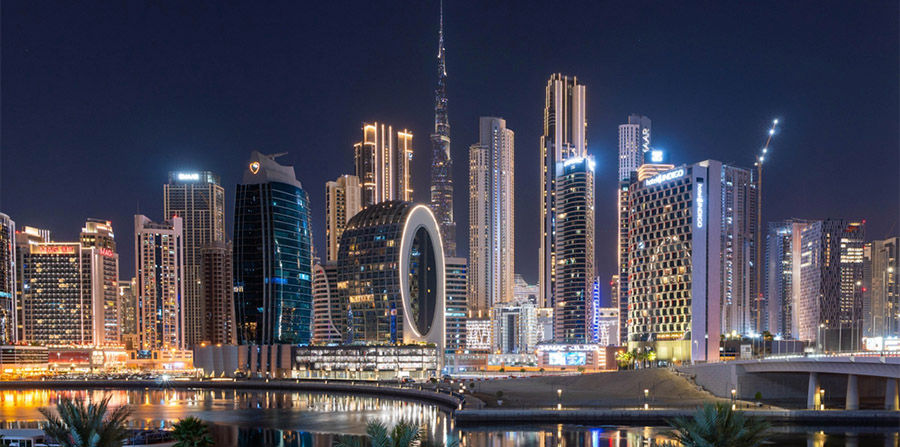
Locals never force walking in areas that resist it. They adjust without frustration. Visitors often push through and feel exhausted without understanding why. The city tells you where walking belongs if you pay attention. Locals avoid zigzagging across the city in a single day. They group activities tightly. Morning in one area. Afternoon pause. Evening somewhere nearby. This reduces travel fatigue and keeps the day feeling light. Visitors who stack distant locations back to back spend most of their time in transit and mistake that for sightseeing.
Dubai rewards consolidation. Parking is rarely an afterthought for locals. They choose destinations partly based on how easy
it will be to arrive and leave. Valet is common because it removes friction. Paid parking is accepted. Free parking is
appreciated but not chased obsessively.
Visitors often underestimate how much energy is saved by planning parking ahead of time. Dubai traffic is predictable if you stop fighting it. Morning rush moves in one direction. Evening rush moves in the other. Weekends shift everything later. Friday mornings are quiet. Friday afternoons build slowly.
Locals plan around this without resentment. They know when to leave early and when to wait. The people who suffer most in traffic are the ones who expect it not to exist. How you move through Dubai directly affects how you feel about it. Smooth days feel generous. Disjointed days feel hostile. The city itself has not changed. Your flow has. Locals protect their energy by choosing routes and timings that reduce friction. This is why they often seem unbothered by distances that overwhelm visitors.
Once you stop treating movement as a problem to solve and start treating it as something to manage, Dubai softens. You stop rushing. You stop stacking. You stop forcing transitions. The city becomes calmer, even when it is busy. Dubai is not difficult to move through. It is just honest about its scale. When you move with it instead of against it, everything else starts lining up.


Comments