Arif Amiri and the Wasta of Institutional Legitimacy
Arif Amiri represents a form of influence in Dubai that only becomes visible once the city begins to mature beyond ambition into structure. This is not entrepreneurial power and it is not political power in the traditional sense. It is institutional legitimacy. The authority to decide what belongs inside the system and what remains outside it. Dubai is a city that welcomes ideas aggressively, but not all ideas are meant to scale equally. At a certain point, ambition needs a framework. Capital needs rules. Growth needs credibility. Amiri’s wasta operates precisely at that transition point, where projects move from possibility to permission.
What people often misunderstand is assuming institutional power is rigid or slow. In reality, well-run institutions accelerate outcomes by reducing uncertainty. DIFC does not just host companies. It confers seriousness. Being inside its ecosystem signals compliance, governance, and long-term intent. That signal matters enormously in Dubai’s financial and legal landscape. Amiri’s influence comes from stewarding that signal carefully. If institutional credibility is given too freely, it loses value. If it’s withheld excessively, growth stalls. His role requires constant calibration. Who is ready to operate at this level? Who needs more maturity. Who aligns with international standards rather than merely aspiring to them.
This is where his wasta differs from dealmaking or networking power. He does not persuade institutions to trust you. He decides whether you are institution-ready. That decision shapes outcomes long before capital is deployed or partnerships are announced. It also shapes perception. Once something is seen as “institutional,” it is treated differently across the ecosystem. Another misconception is thinking his influence is purely administrative. It isn’t. Institutional environments are social systems as much as legal ones. They depend on shared expectations, professional norms, and reputational enforcement. Amiri’s credibility allows those norms to function without constant enforcement. People behave differently when they know standards are real.
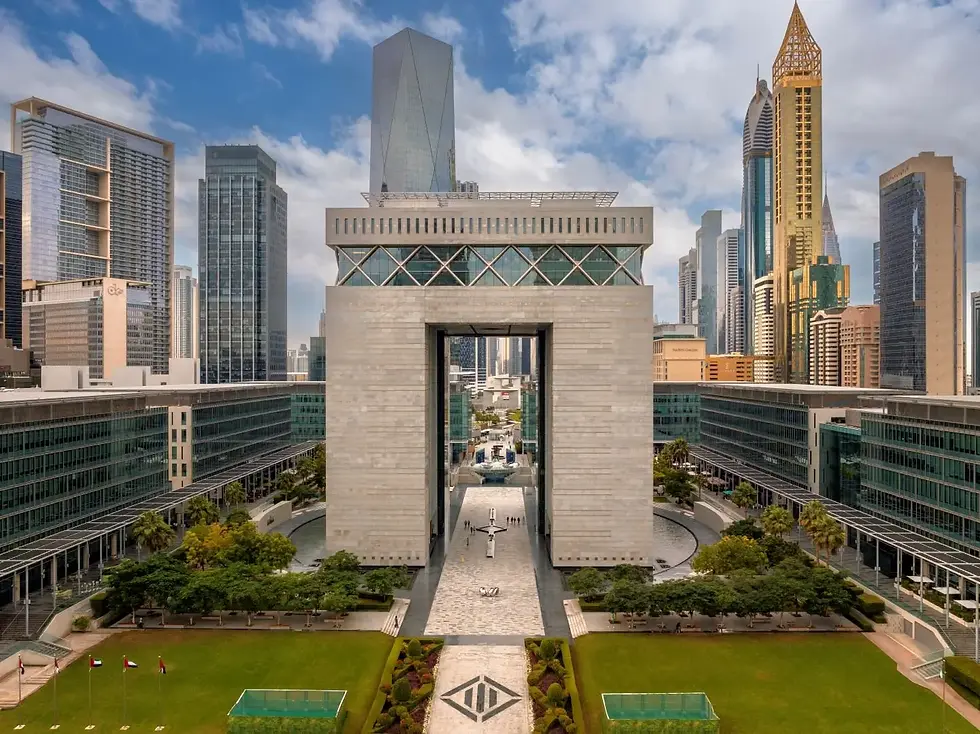
There is also a global dimension to his wasta that matters deeply. Dubai’s ambition has always depended on international confidence. DIFC is one of the city’s strongest credibility bridges to global markets. Amiri’s role reinforces that bridge by ensuring alignment between local ambition and global expectation. That alignment lowers friction and attracts long-term capital. From a Wasta perspective, this is influenced through gatekeeping without arbitrariness. The gate is open, but only to those who understand the responsibility that comes with entry. That clarity is powerful. It prevents dilution of trust while allowing growth to continue. For entrepreneurs and operators, this form of wasta often feels intimidating because it cannot be rushed. You cannot shortcut institutional legitimacy. You can only prepare for it. That preparation forces discipline. Governance, compliance, transparency, and seriousness stop being optional. They become prerequisites.
Amiri’s influence also reflects a broader shift in Dubai’s power structure. As the city evolves, institutional trust matters more than personal reassurance. People want systems they can rely on rather than individuals they must constantly negotiate with. Amiri’s role strengthens those systems. Another key aspect of his wasta is predictability. When institutions are predictable, capital flows more confidently. Partnerships feel safer. Risk becomes quantifiable rather than existential. That predictability is not boring. It is empowering. It allows ambitious projects to scale without destabilizing the ecosystem.
In the Wasta ecosystem, Arif Amiri represents institutional capital. Influence built through maintaining standards that others depend on. It doesn’t seek attention. It enforces coherence.
If hospitality wasta shapes relationships and founder wasta proves execution, institutional wasta determines who is allowed to operate at scale without constant justification. In a city transitioning from growth to maturity, that role is central. That is why Amiri’s influence doesn’t rely on personal charisma or deal flow. It relies on being trusted to protect the integrity of the system while allowing it to expand.


Comments