Arabian Tea House
Finding Emirati food in Dubai that feels real and not staged is harder than people expect. The city is full of global cuisines done at high levels, but its own culinary identity often gets pushed into hotel buffets or heritage festivals. Arabian Tea House is one of the few places where local food feels like it belongs to everyday life rather than a performance.
Locals know it, return to it, and recommend it carefully. Most visitors end up at the Bastakiya branch in Al Fahidi. It is beautiful, traditional, and extremely photogenic. White and turquoise furniture, wind towers, shaded courtyards. It is charming, but it also carries the energy of a place people plan to visit. Locals often prefer the quieter branch near Jumeirah Beach Road, opposite Jumeirah Beach Hotel. The patio there, especially in winter, feels relaxed and unobserved. You are not surrounded by cameras or tour groups. You are just sitting outside with tea, food, and time. That difference changes the experience completely.
The name is not decorative. Tea is central here. Unlimited black tea arrives in small Arabian glass cups, refilled without fuss. It is strong, simple, and constant. Locals treat it as background rather than an order. You sip while you talk, while you eat, while you sit longer than you planned. It sets the rhythm of the meal. Slow. Unrushed. Social.
Many people come for lunch or dinner, but locals know breakfast is where Arabian Tea House feels most authentic. The breakfast trays are generous and built around traditional flavors. Balaleet, the sweet and savory vermicelli with egg, appears often. There are fresh breads, cheeses, dates, dips, and small plates designed to be shared rather than finished individually.
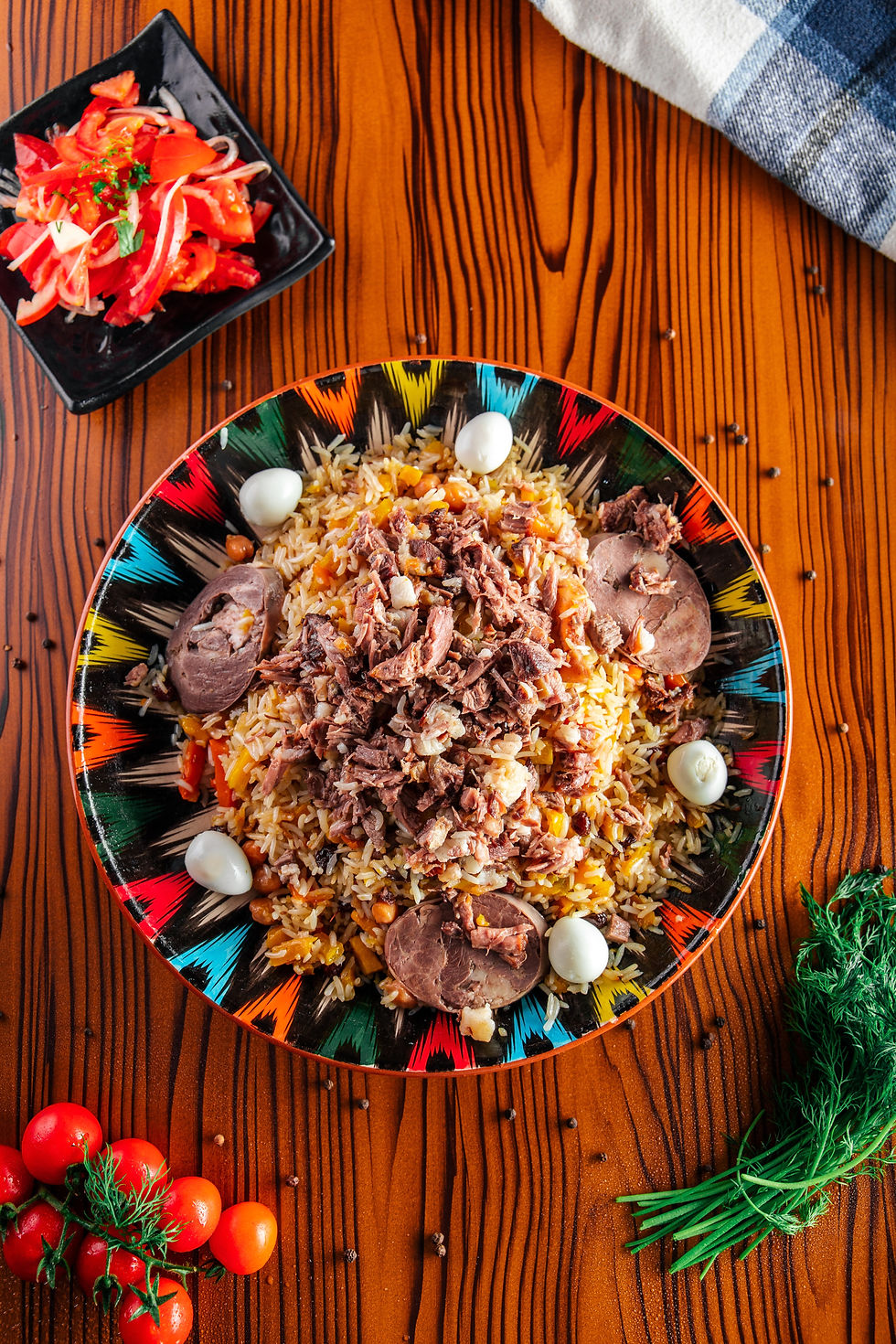
It feels like a table at someone’s house rather than a restaurant trying to impress you. There are specific dishes that create loyalty here. Grilled halloumi, served simply but perfectly, is one of them. It is the kind of plate people order every time without looking at the menu. Machboos and other Emirati rice dishes appear regularly and are done with balance rather than heaviness. The flavors are spiced but not aggressive, familiar without being repetitive.

Locals come back because the food is consistent, not because it is reinvented. Arabian Tea House does not feel like modern Dubai. It feels like a pause from it. No loud music. No dramatic interiors. Conversations stay at table level. Families, older residents, and long time expats mix naturally. You are not rushed out to make space for the next seating. This calm is part of the appeal. It is one of the few places where Emirati food is not framed as heritage to be observed, but as daily cuisine to be enjoyed.
Residents bring people here when they want to show Dubai beyond its skyline and brunch culture. It is a gentle introduction to local flavors and hospitality without turning the meal into a lesson. You eat. You drink tea. You talk. Culture arrives through comfort, not explanation. In winter, the outdoor seating is the best place to be. Sunlight, breeze, tea refills. It is easy to lose track of time. In summer, the indoor space works just as well, but locals adjust expectations. The experience becomes more about the food and less about lingering.
Either way, no one comes here in a rush. Arabian Tea House represents a version of Dubai that still exists quietly. One where hospitality is soft, flavors are familiar, and time is not measured in reservations per hour. It proves that Emirati food does not need to be rare or ceremonial to matter. It just needs to be treated with care and served with patience.
Arabian Tea House is not the most exciting restaurant in Dubai. It is something better. It is steady, welcoming, and rooted.
Locals return because it feels like somewhere that would exist even if no one was watching.
Comments