Anas Bukhash and the Rise of Cultural Gatekeeping
Anas Bukhash represents a form of wasta that would have been dismissed in Dubai fifteen years ago and underestimated ten years ago. Today, it’s undeniable. His influence doesn’t come from owning assets, closing deals, or inheriting legacy. It comes from controlling attention and, more importantly, context. In a city where visibility is everywhere but meaning is scarce, Bukhash operates as a cultural filter. To understand his power, you have to understand how Dubai has changed. The city is no longer just a place where capital moves. It’s a place where narratives are constructed in real time. Who gets framed as credible, thoughtful, or relevant increasingly depends on where and how they are seen. Bukhash’s platform sits squarely at that intersection.
What people misunderstand about his influence is assuming it’s just the media. It isn’t. Media amplifies, but Bukhash curates. His conversations don’t just showcase people. They position them. A guest on his platform isn’t merely visible. They are contextualized as someone worth listening to. That distinction matters enormously in Dubai, where surface-level exposure is easy but meaningful credibility is not. Bukhash’s wasta operates upstream of traditional power. He doesn’t wait for institutions to validate people before giving them a voice. He often introduces audiences to thinkers, founders, creatives, and operators before they are fully mainstream. That early positioning creates momentum. By the time others take notice, the narrative is already partially written.
Another critical aspect of his influence is tone. Bukhash doesn’t interrogate or idolize. He listens. That listening creates space for complexity, which is rare in a region where conversations are often flattened into success stories or soundbites. People reveal more when they don’t feel like they’re performing. That depth is what builds trust with audiences. Trust is the real currency here. Audiences trust that conversations on his platform are thoughtful, not transactional. Guests trust that they won’t be reduced to headlines. That mutual trust is what allows Bukhash to act as a gatekeeper without appearing exclusionary. He’s not blocking access. He’s shaping understanding.
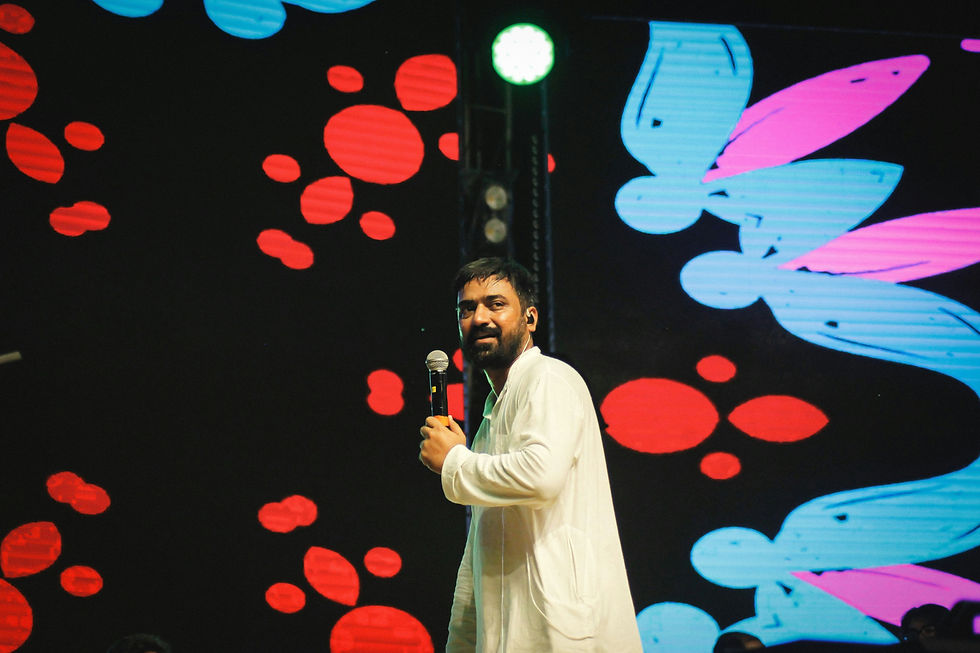
In Dubai, where many people confuse influence with reach, Bukhash demonstrates the difference. Reach is about numbers. Influence is about interpretation. When someone appears on his platform, they’re often seen differently afterward. More human. More credible. More nuanced. That shift can open doors that raw exposure never could. There’s also a generational element to his wasta. Bukhash resonates strongly with younger professionals, creatives, and founders who are shaping Dubai’s next phase. These audiences will become decision-makers, investors, and leaders. Being positioned favorably in their mental map today has long-term implications. That's a future-facing influence.
What’s particularly interesting is how Bukhash maintains neutrality while still shaping discourse. He doesn’t overtly endorse. He doesn’t campaign. He creates conditions for ideas to surface. In a region where explicit alignment can be risky or limiting, this indirect form of influence is powerful. It allows multiple groups to engage without feeling threatened. His background also plays a role. Bukhash understands both local context and global culture. He can navigate conversations that resonate regionally while remaining legible internationally. That dual fluency makes his platform attractive to guests who want to be understood rather than translated. In Dubai, that fluency is a competitive advantage.
From a wasta perspective, Bukhash illustrates how power has shifted from purely economic or institutional forms to narrative-based forms. People who shape how stories are told increasingly shape how opportunities flow. Investors notice who’s being discussed thoughtfully. Brands notice who carries cultural weight. Institutions notice who commands attention without controversy. There’s also discipline in what he doesn’t do. Bukhash doesn’t flood his platform. Scarcity preserves value. He doesn’t chase every trending name. Selectivity builds trust. Over time, that consistency trains audiences to take his choices seriously. That’s how gatekeeping becomes accepted rather than resisted.
For entrepreneurs and operators in Dubai, the lesson here is clear. Wasta isn’t just about who can introduce you to capital or authority. It’s also about who can frame you correctly in the public imagination. Being seen without context can be damaging. Being seen with the right context can be transformative. Bukhash’s influence also highlights a shift in how legitimacy is built. Formal titles matter less when narratives carry more weight. A well-articulated story told in the right setting can elevate someone faster than traditional credentials.
That doesn’t replace substance, but it amplifies it. In the evolving Wasta economy of Dubai, Anas Bukhash represents the cultural capital. Influence derived from trust, listening, and narrative framing rather than ownership or hierarchy. It’s quieter than traditional power, but often just as effective. If older forms of wasta decide who gets access, cultural gatekeepers increasingly decide how that access is perceived. In a city where perception shapes opportunity, that distinction matters.


Comments